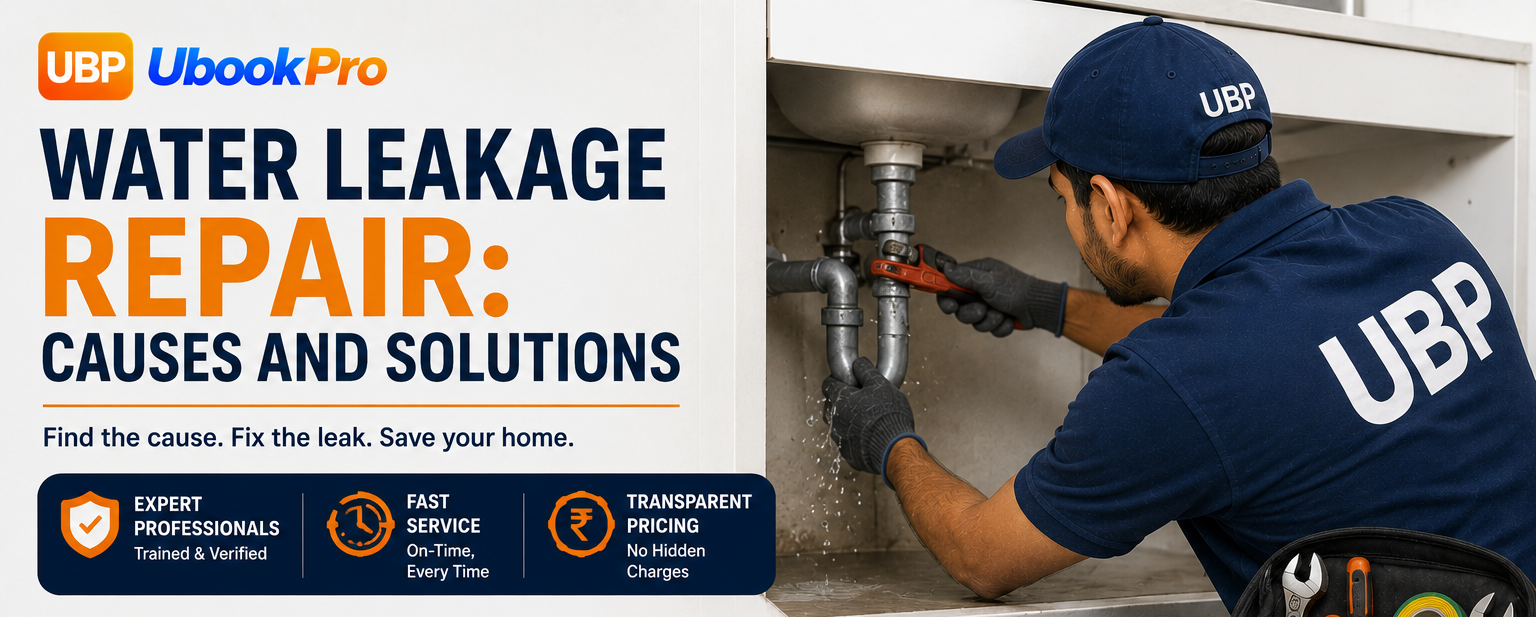
Water Leakage Repair: Causes and Solutions
Water leakage is a common household plumbing problem that can lead to wasted water, higher utility bills, damp walls, mould growth, and property damage if left untreated. A small leak may seem insignificant at first, but it can become a bigger problem over time.
Understanding the common causes of water leakage and knowing when to call a professional can help homeowners protect their property and avoid costly repairs.
Common Causes of Water Leakage
1. Damaged or Ageing Pipes
Old plumbing pipes can develop cracks, corrosion, or weak joints over time. Continuous water pressure can make these small weaknesses worse, eventually resulting in visible leaks or hidden water damage.
2. Loose Pipe Connections
Pipe joints and connections can become loose due to regular use, movement, or improper installation. Water may slowly seep through these connections and cause damp patches around walls, ceilings, or floors.
3. Leaking Taps and Faucets
Worn-out washers, seals, and internal components can cause taps and faucets to drip continuously. Replacing the damaged parts can often resolve the leakage and prevent unnecessary water wastage.
4. Bathroom and Kitchen Plumbing Issues
Sinks, shower areas, toilets, and other fixtures can develop leaks around their connections. Damaged seals, blocked drainage, or worn-out fittings can allow water to escape and gradually damage surrounding surfaces.
5. Water Tank and Geyser Connections
Water tanks and geysers have multiple pipes, valves, and connections. Faulty valves or damaged connections can result in water leakage. Regular inspection can help identify these problems before they cause extensive damage.
Signs of a Water Leak
Some leaks are easy to spot, while others remain hidden inside walls or under floors. Common warning signs include:
Damp or wet patches on walls and ceilings
Peeling paint or bubbling wall surfaces
Water pooling around plumbing fixtures
Unexplained increase in water consumption
Dripping sounds when no taps are being used
Musty smells or mould growth
Reduced water pressure in certain fixtures
Identifying these signs early can help prevent further damage.
Water Leakage Repair Solutions
The right repair depends on the location and severity of the leak. Common solutions include:
Repairing or Replacing Damaged Fittings
Faulty taps, valves, washers, seals, and connectors can often be repaired or replaced to stop minor leaks.
Fixing Pipe Joints
Loose or damaged pipe connections may need to be tightened, resealed, or replaced to prevent further leakage.
Repairing or Replacing Pipes
If a pipe is cracked, heavily corroded, or damaged, repairing the affected section or replacing the pipe may be necessary.
Addressing Hidden Leaks
Hidden leaks can be difficult to locate without professional tools and experience. A plumber can inspect the plumbing system, identify the source, and recommend the appropriate repair.
How to Prevent Water Leakage
Regular maintenance can reduce the risk of plumbing leaks. Homeowners can:
Check visible pipes and connections regularly.
Repair dripping taps as soon as possible.
Avoid putting excessive pressure on plumbing fixtures.
Monitor water bills for unusual increases.
Inspect water tanks and geyser connections periodically.
Address damp patches and water stains immediately.
Get recurring plumbing problems professionally inspected.
When to Call a Professional
A minor tap leak may be simple to fix, but leaks inside walls, ceilings, floors, or major plumbing lines require professional attention. Attempting to repair a complex leak without the right tools or expertise can sometimes cause additional damage.
Professional plumbing services can help identify the source of the leakage and provide the appropriate repair or replacement.
Get Water Leakage Repair with UbookPro
Water leakage should never be ignored. Prompt repairs can reduce water wastage, protect your home's walls and flooring, and prevent a minor plumbing issue from becoming a major repair.
With UbookPro, homeowners can conveniently find professional home service assistance for water leakage repair and other plumbing needs.

 INR
INR



Leave a comment